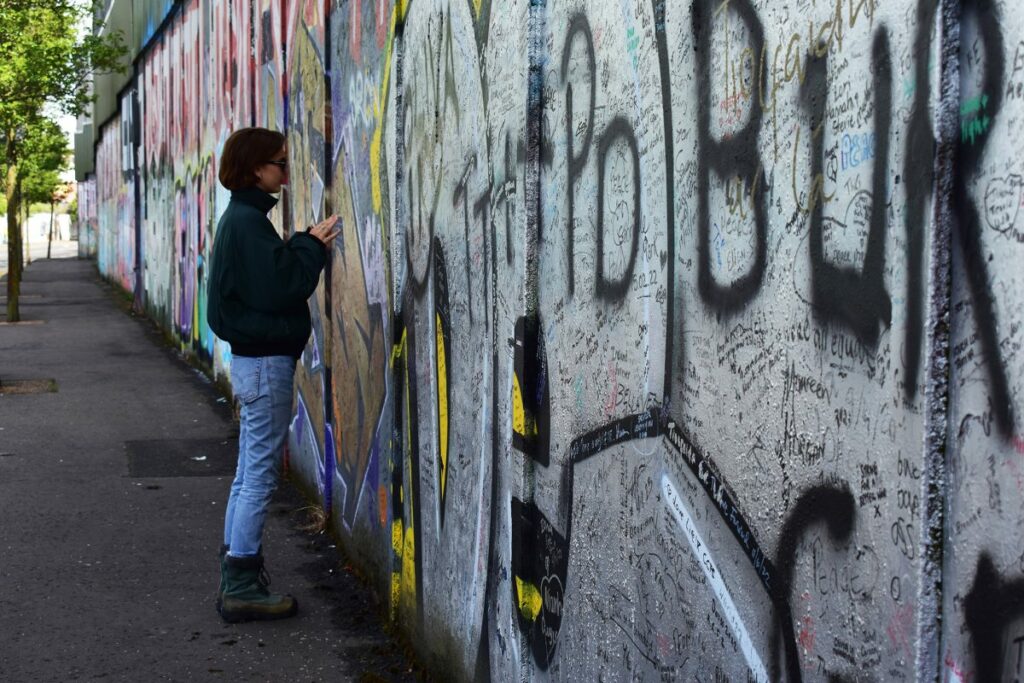
There’s Culture and Secrets Behind Graffiti Art
Graffiti art culture is more than just paint on walls—it is an underground movement, a voice for expression, and a powerful form of street creativity that exists in cities around the world. It carries history, emotion, and hidden messages that often reflect society, politics, and personal identity.
From subway trains to city walls, graffiti has evolved into a global art form that connects communities and challenges traditional ideas of art. What many people see as random markings often holds deep meaning, cultural identity, and artistic skill behind every stroke.
Today, graffiti art culture continues to grow, blending street expression with modern digital influence, making it one of the most powerful visual movements in urban life.
The Origins of Graffiti Art Culture
Graffiti has existed for centuries, dating back to ancient civilizations like the Romans and Greeks who carved messages into stone walls.
Modern graffiti art culture began in the 1960s and 70s in New York City, where young artists used spray paint to transform subway trains and city walls into moving artworks.
👉 Learn more about street art history here: History of Graffiti
The Language of Graffiti Art Culture
To outsiders, graffiti may look like random writing, but within the community, it has its own language.
Common styles include:
- Tags (artist signatures)
- Throw-ups (simple stylized letters)
- Pieces (detailed murals)
Graffiti can also include hidden messages, political opinions, and personal stories.
Secrets behind graffiti art culture and street artists
Many graffiti artists work in secrecy, often at night, to avoid being caught. They use pseudonyms to protect their identity while building a reputation within graffiti art culture.
In this underground community, there are also unspoken rules that artists usually respect, such as:
- Respecting existing artworks
- Avoiding “going over” respected pieces
- Building reputation through a unique and recognizable style
These unwritten rules help maintain balance and respect within the street art community.
Graffiti art culture as a form of protest
Throughout history, graffiti art culture has been used as a powerful tool for political and social expression. From murals highlighting racial injustice to messages protesting government policies, street walls have become a public canvas for activism.
In many places, graffiti acts as a form of resistance, allowing marginalized communities to express their frustrations, ideas, and hopes for change in a visible and creative way.
Street art vs graffiti art culture: the fine line
While graffiti is often associated with vandalism, street art has gained mainstream acceptance over time. Famous artists like Banksy have helped blur the line between illegal graffiti and globally recognized public art.
Today, many cities now commission murals and provide legal street art spaces, acknowledging the artistic and cultural value of graffiti art culture.
The future of graffiti art culture
Despite efforts in some places to control or remove illegal tagging, graffiti art culture continues to grow and evolve.
With the rise of social media platforms like Instagram, street artists can now share their work globally and gain recognition beyond their local communities.
Some graffiti artists have also moved into mainstream galleries, brand collaborations, and digital art spaces, proving that what was once seen as vandalism is now widely accepted as legitimate art.
Conclusion
Graffiti art culture is more than a rebellious act—it is a living, evolving form of creativity filled with history, expression, and meaning. Whether used for personal identity, social commentary, or artistic innovation, graffiti remains an important part of modern urban culture.
The next time you see a mural or street tag, remember there is a deeper story behind it than what meets the eye. Learn a different approach to improving results and thinking patterns here: Better Thinking Guide